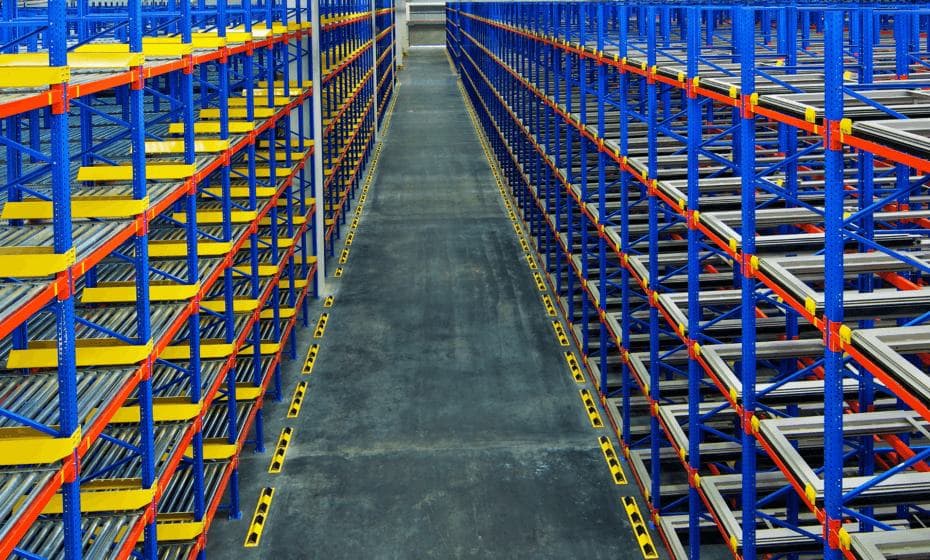
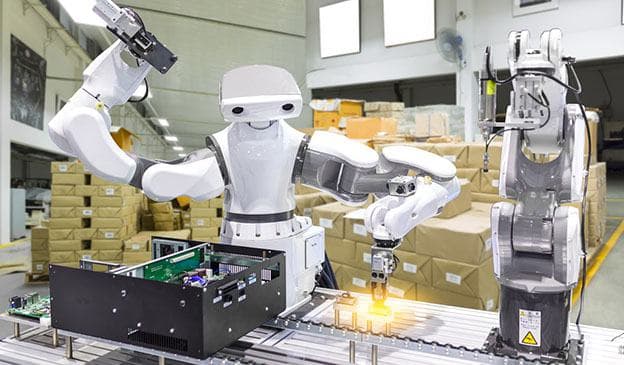
Storage and handling systems need to keep up with modern production speeds. Containers are designed to integrate seamlessly with automated handling systems, helping improve efficiency and reduce downtime during manufacturing processes.
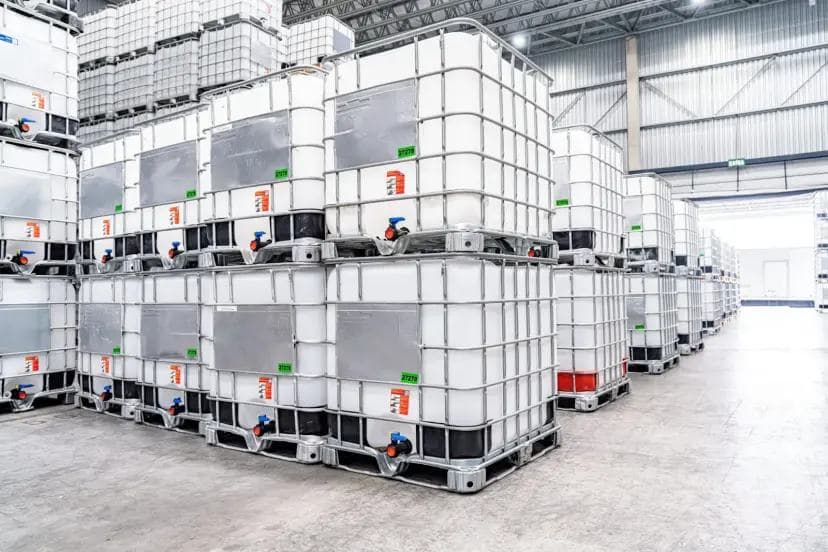
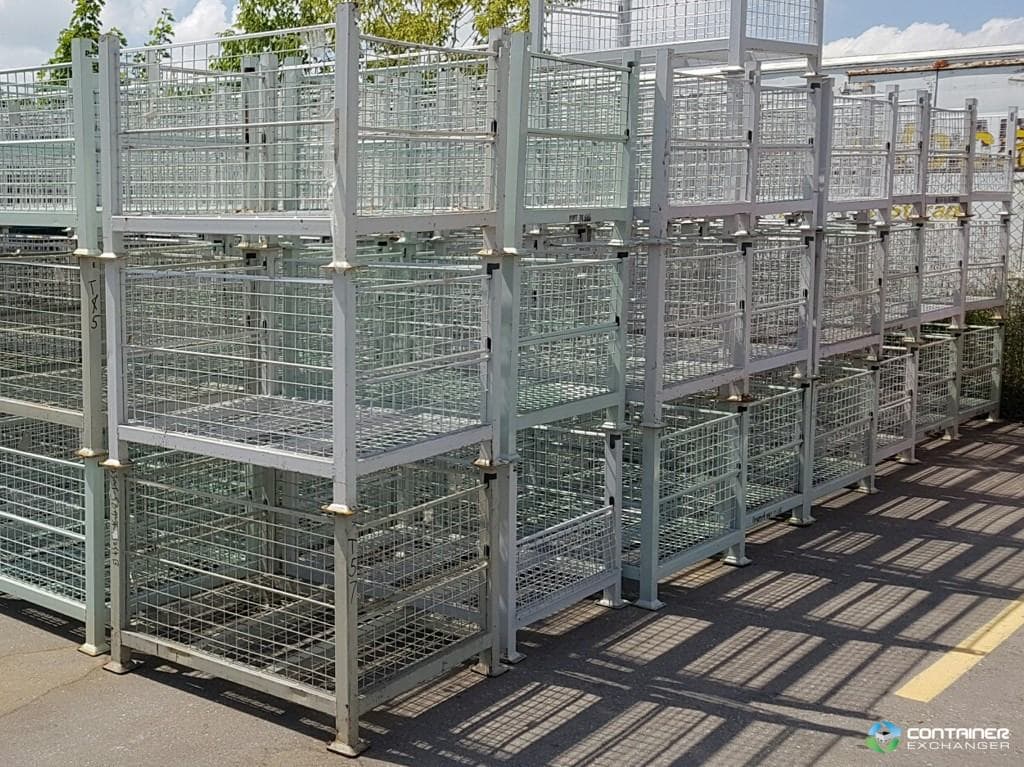
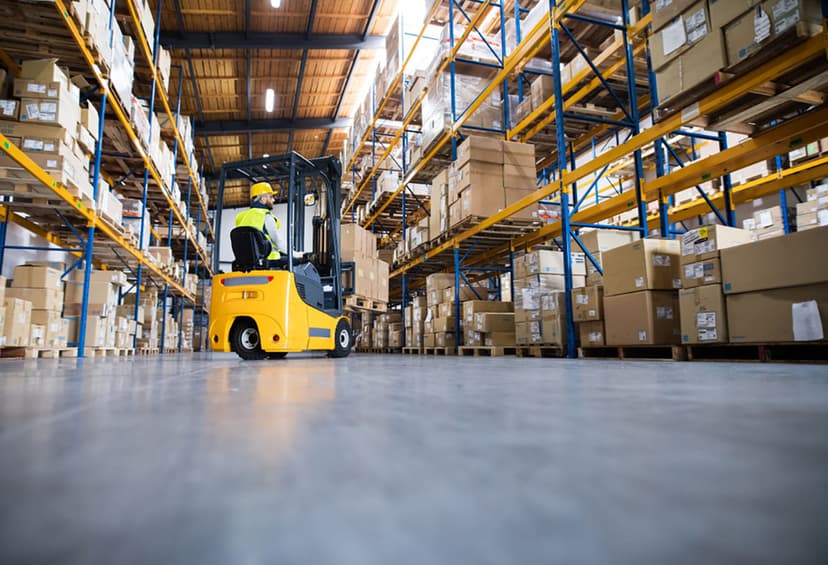
These automotive containers are built to stack, which makes it easier to store more without taking up extra floor space. They also help make better use of vertical space in warehouses and trailers, especially when they can nest inside each other. When space is limited, that kind of setup makes a noticeable difference pretty quickly.
Plastic bulk totes are standardized for Tier 1 and Tier 2 suppliers and preferred for smaller components and sensitive electronics. They're commonly used for parts like filters, connectors, and precision tools where protection matters most.
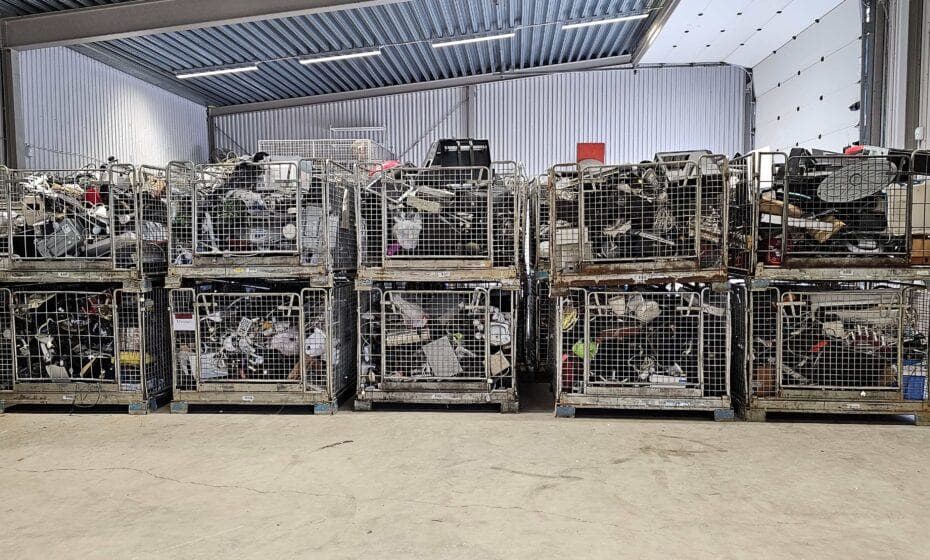
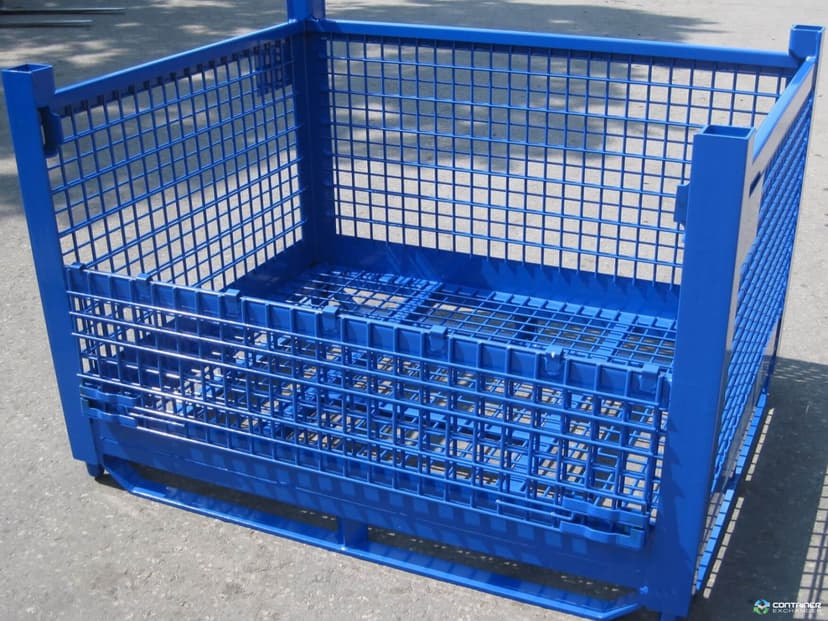
Hand-held totes move smaller automotive components such as turbochargers, bolts, and filters, and are intended to increase space efficiency while reducing transport waste. Folding Large Containers (FLCs) are used to transport bulk automotive products like catalysts and engine parts, providing stability and protection for their loads and, when needed, folding away for compact storage.
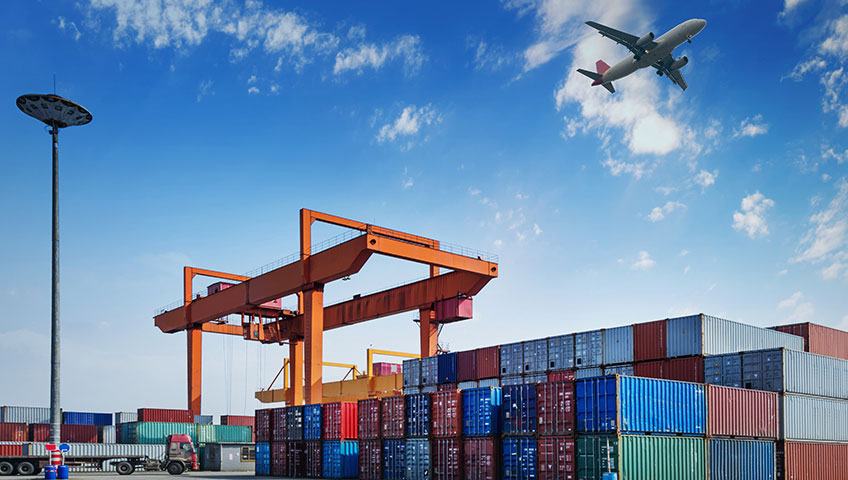
Standard shipping containers are 20ft or 40ft steel boxes used to ship 1–4 normal-sized automobiles, or bulk shipments of parts. High-cube models add additional vertical height, which comes in handy when transporting larger vehicles or out-of-gauge equipment.