
Food & Beverage Bulk Containers for Safe Storage & Distribution

Food & Beverage Bulk Containers for Safe Storage & Distribution

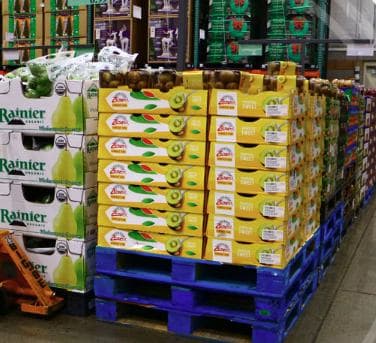
Food and beverage containers help keep products safe, organized, and ready for processing, storage, and distribution without missing a beat.

Storage, Safety & Distribution Needs in the Food & Beverage Industry

Key Challenges in Food Storage, Safety & Cold Chain Distribution

Food and beverage storage and transportation don't leave room for error. If the temperature slips or the storage lid isn't right, you'll either have spoiled goods or waste, or both. Food-grade containers are specifically manufactured and tested to ensure they won't leach harmful chemicals, alter taste, or contaminate food, as regulated by the FDA.

Containers that are explicitly labeled as food-grade are essential for safe food storage, and older or unmarked containers should be replaced with certified food-safe options to protect health.

Once the product leaves processing, it still has to stay fresh through transport, storage, and delivery. That means containers need to handle cold, moisture, and repeated handling without breaking down.

Key Challenges in Food Storage, Safety & Cold Chain Distribution
How the Food Industry Manages Storage, Safety & Distribution

How the Food Industry Manages Storage, Safety & Distribution

Food and beverage containers are categorized by their material and shape. What works for dry grains won't work for liquids or prepared foods. Food and beverage containers include materials like plastic, glass, aluminum, and paperboard, tailored for storage, transport, and preservation. Metal containers provide a total barrier against light, oxygen, and moisture, helping prevent spoilage.

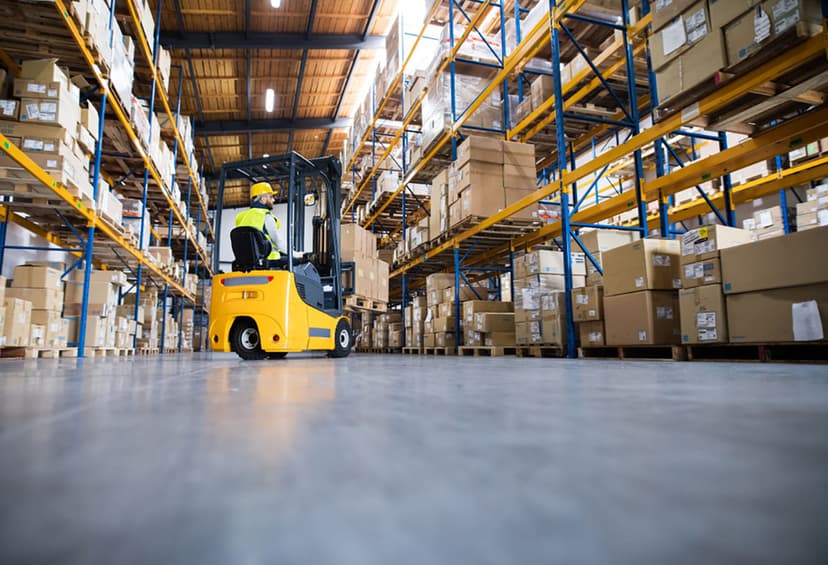
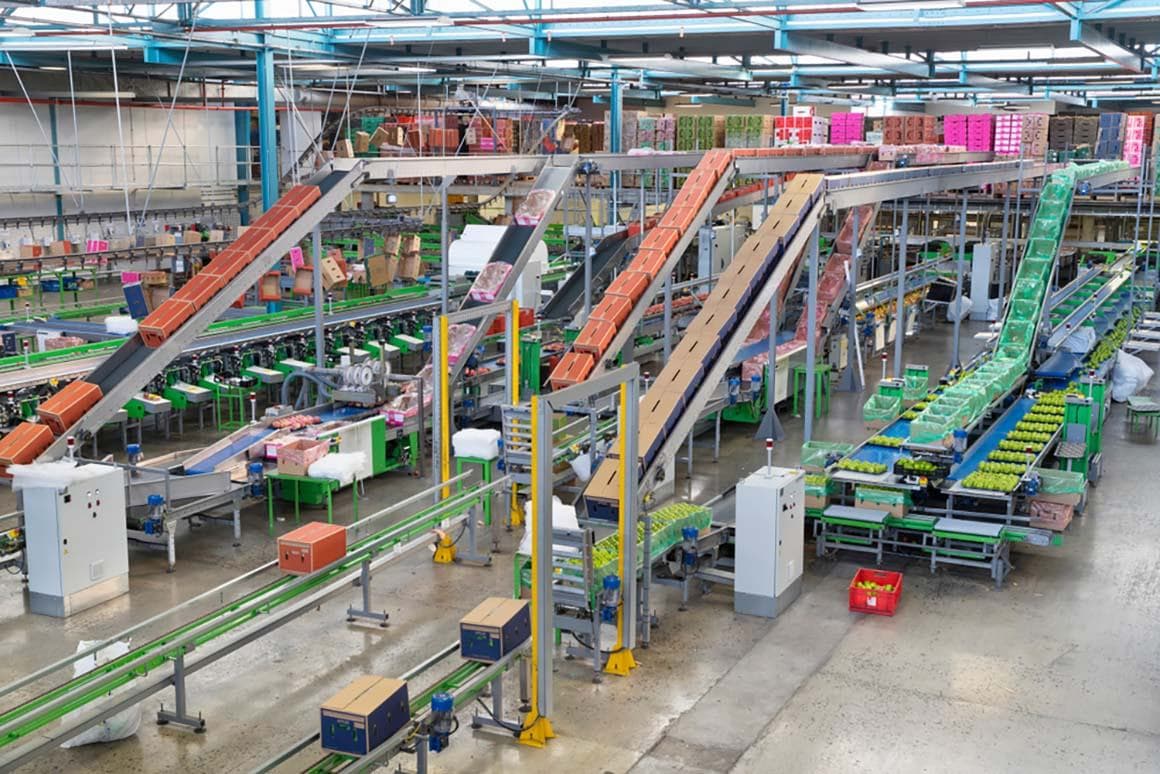
In industrial food or beverage operations, you'll see a mix of container types moving between processing lines, cold storage, and distribution.

Container Solutions for Food & Beverage Applications

Bakery Trays

Bakery Trays

Bakery trays are built for production lines where speed matters. They're used for moving dough, baked goods, and finished products through processing and into storage. Bakery trays are easy to stack and clean, and durable enough for repeated use in busy environments.

Stack Totes

Stack Totes

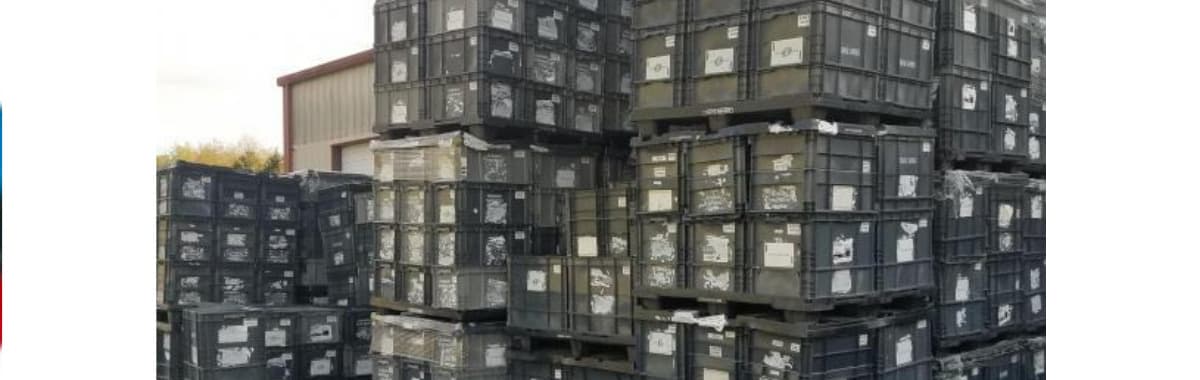
Stack totes are used across food operations to store food, transport ingredients, and keep everything organized during production. They come in a variety of sizes and shapes, including square designs that make better use of space on shelves, in fridges, or freezers.

Insulated Food Containers

Insulated Food Containers

Insulated containers are used when temperature control matters. Insulated containers come into play when the temperature can't drift. They help keep hot food hot and cold items cold while everything's being moved. That's essential during longer hauls or when product is going in and out of storage. Even small temperature swings can mess with quality pretty quickly.

Applications & Use Cases in Food Processing & Distribution

Food Processing & Production Lines

Food Processing & Production Lines

In food processing and production environments, containers move constantly. Ingredients get measured, mixed, and transferred in batches, so everything needs to be easy to handle and quick to clean. Plastic containers are used a lot on production floors because they're easier to move around when things are busy. When you're shifting batches all day, lighter containers just make life easier.

They also come in different shapes, so you can fit them into whatever setup you're working with instead of wasting space.

Cold Chain & Temperature-Controlled Transport

Cold Chain & Temperature-Controlled Transport

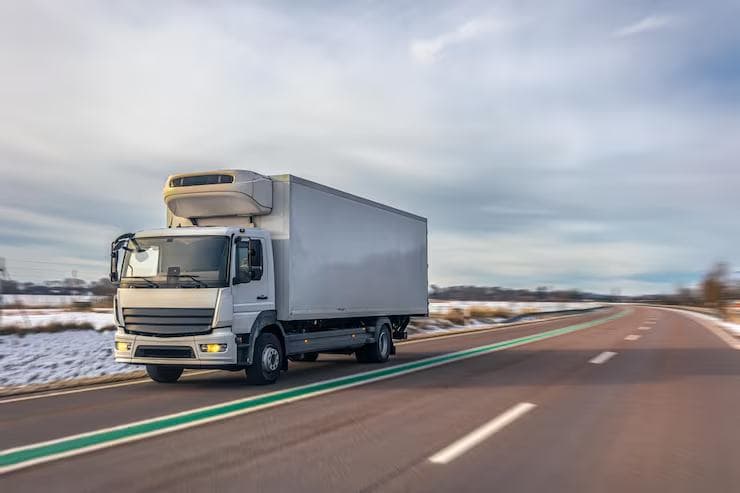
Once food leaves the line, it still has to hold up until it gets where it's going. Even small temperature changes can mess with quality, especially if product is sitting between stops.

Cold chain containers help keep temperatures from bouncing around too much. Insulated ones hold that temp longer, and sealed containers cut down how much outside air gets in while things are being moved.

Hygienic Storage & Ingredient Handling

Dry ingredients like grains and spices can't just sit out. They need to stay sealed up so moisture and contamination don't get in. Most operations keep things organized with containers that are easy to label and stack. That way, you're not digging through storage trying to find what you need, especially when you're working through a lot of stock.

Why Choose Beverage & Food Storage Containers from Container Exchanger?

Food operations don't have time to hunt around for containers that may or may not work. Container Exchanger puts a lot of options in one place, so you can actually see what's available and move on.

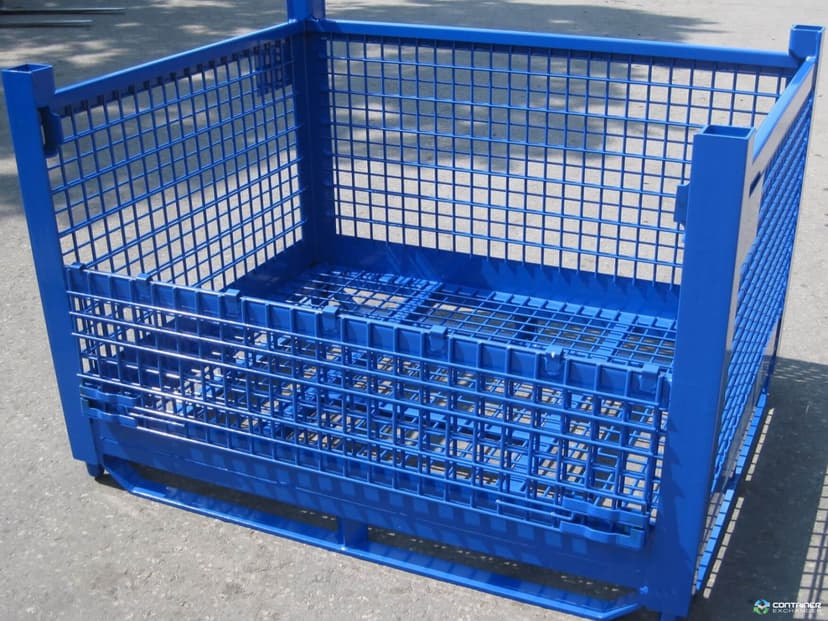
You'll find everything from bakery trays to stack totes and metal bins, in different sizes and conditions. That makes it easier to match what you're buying to how your operation actually runs instead of trying to make something "close enough" work.

Resources & Food Industry Insights

Find more updates and insights on food storage, safety, and distribution practices here.

Frequently Asked
Questions

Yes. Many food and beverage containers are designed for repeated use. This helps reduce waste and lowers long-term costs. However, single-use containers shouldn't be reused due to safety risks like chemical leaching from certain plastics or bacteria growth. Always ensure the containers are clean and made to be reused, like those made from HDPE, LDPE, or PP plastics.

Food-grade containers are made and tested for direct contact with food, so they won't leach chemicals, affect taste, or contaminate what's inside. Standard pantry storage bins aren't always made to the same standards. For industrial purposes, only FDA-approved food-grade containers are required.

Insulated containers provide a safe, climate-controlled environment for transporting foods or beverages that must remain at a specific temperature to prevent spoilage or bacterial growth. Basically, the hot stays hot and the cold stays cold.

When choosing the right food or beverage containers, you want to consider what you're storing, how it's handled, and the environment it moves through. The materials must also be FDA-approved food-grade, such as HDPE, polycarbonate, or stainless steel; NSF-certified; or EFSA-compliant to ensure safety for consumables. Stackable designs will help maximize warehouse space as well. Select insulated containers if the products need to stay within a certain temperature range.

Client Reviews

Rebecca Earney
21 January 2026
Verified Badge

Jeff, our salesman, is great at communicating. The order process is quick and painless, and the product was delivered in...

Roy Loukus
21 April 2025
Verified Badge

The product description was accurate and the ordering process was a breeze. A little paint job and we are shipping parts...

George Smith
11 February 2025
Verified Badge

Sales Person Rating: 5 – Excellent, n/a Order Processing Rating: 4 – Good, Too many steps and confirmations. One item r...

Valerie Smith
09 September 2024
Verified Badge

Sales Person Rating: 5 – Excellent, Salesperson was very friendly and knowledgeable. Order Processing Rating: 5 – Excel...

Zachary Ford
31 July 2023
Verified Badge

Sales Person Rating: 5 – Excellent, Jeff has been very accommodating and professional. Order Processing Rating: 4 – Goo...

Google rating score: 4.6 of 5, based on 31 reviews